A new study recently came out demonstrating how a sugar gel named 2-deoxy-D-ribose (2dDR or deoxyribose in short) could help regrow hair of mice [1]. The benefits of the sugar gel on hair regrowth has been declared comparable to that of Minoxidil. While there is no clear explanation on how deoxyribose can boost hair regrowth, the scientists noticed an increased blood supply to the hair follicles that encouraged hair growth. This spurred in me the same question that I have since very long time: is hair loss due to DHT or is it a blood supply issue?
The Study
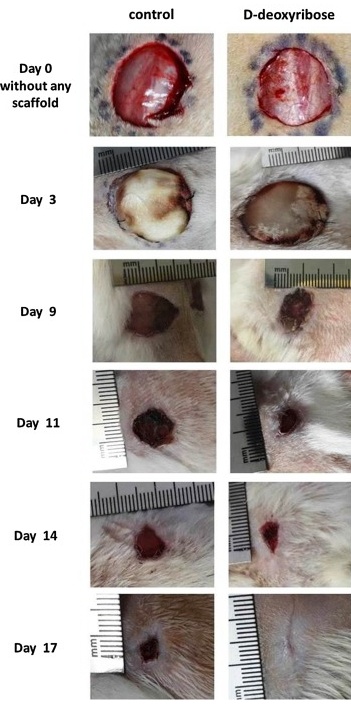
In 2017, the research group behind this discovery explored the development of wound dressings based on the delivery of deoxyribose to induce angiogenesis (formation of new blood vessels from pre-existing capillary structures) in chronic wounds [2]. Not only it was found out that deoxyribose doubled the rate of cutaneous wound healing in rats associated with an increase in vascularization, but it also stimulated the growth of very mature hair follicles.
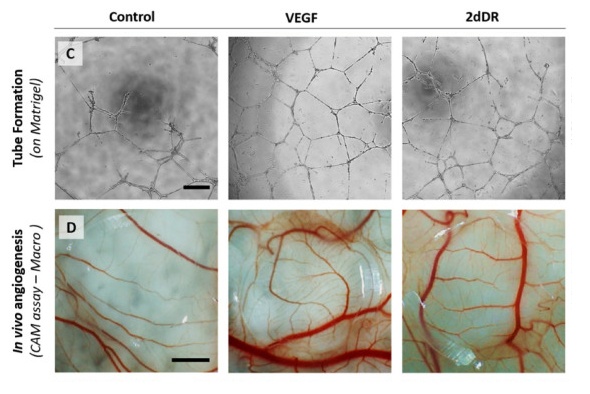
Blood vessels deliver blood, nutrients and oxygen to organs and tissues. If some tissues are not receiving enough oxygen (hypoxia), cells in the affected area send out chemical signals that cause angiogenesis to begin. In response, cells that line blood vessels (called endothelial cells) arrange themselves in ways that allow new capillaries to develop.
Angiogenesis is a vital function, required for growth and development as well as the healing of wounds. But it also plays an important role in the formation of cancer because, like any other body part, tumors need a blood supply to thrive and grow. In contrast to the normally well-regulated production of new blood vessels, in tumors this is exaggerated.
In 2021, the research group reviewed the existing literature on deoxyribose and angiogenesis [3]. Vascular endothelial growth factor (VEGF) is a an established pro-angiogenic factor that has a prime role in inducing angiogenesis. It is the gold standard for the induction of vascularization. However, the use of VEGF raises concerns as it is has been shown to lead to the formation of leaky, permeable and hemorrhagic vessels which are associated with tumor development. VEGF is also relatively unstable. From here, the focus and interest of the research group to test the viability of deoxyribose as a pro-angiogenic factor.
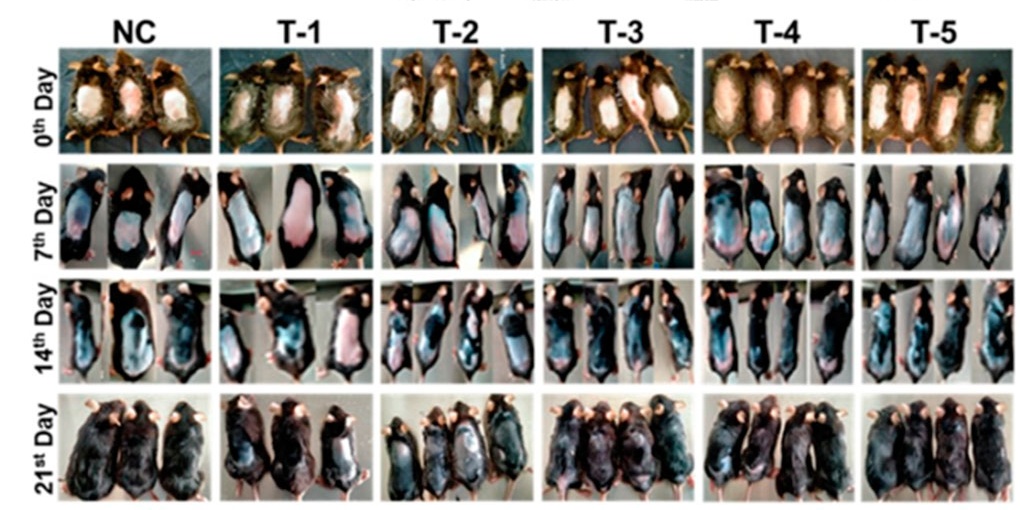
Given the discovery of deoxyribose’s ability to stimulate the growth of hair follicles in the previous study, the research group was interested in showing the potential of the sugar gel for the treatment of Androgenetic Alopecia (AGA). The hypothesis was that new blood vessel formation can restore blood supply and stimulate the hair regrowth cycle.
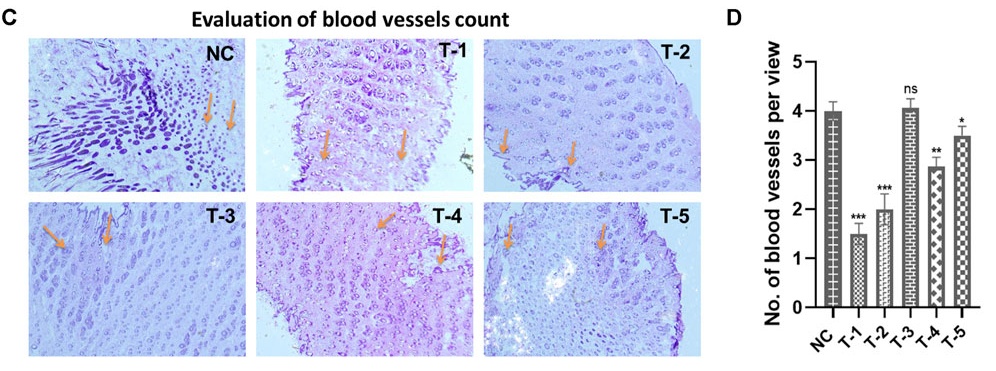
To create a mouse model of androgen-induced hair loss for the study, testosterone was injected in mice and the hair was shaved. Different study groups were then created. Different groups had different treatments and were compared with a control group and a testosterone group. The study showed that deoxyribose gel or minoxidil stimulated the morphogenesis of hair follicles. Furthermore mice demonstrated an increase in hair follicle density, diameter of hair follicles, and in the number of blood vessels.
Hair Loss: DHT or Blood Supply Problem?
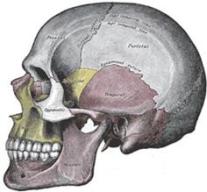
The Galea Aponeurotica is a fibrous layer connected to the fascia covering the muscles at the back (Occipitalis) and side (Temporalis) of the head. When these muscles are tight, so is the galea, which compresses the blood vessels bringing nutrients to the hair follicles. The hair and tissues slowly die, the hair miniaturizes and excessive dandruff is generated due to skin cells dying faster. An inflammation response of the body is activated and DHT is brought to the scalp to fight the inflammation. This is why DHT increases in a balding scalp. The galea becomes tight due to poor craniofacial development. See more of this theory in the following articles:
- Hair Loss: Are The Real Underlying Causes Androgenetic?
- More on Hair Loss: Part I.
- Hair Loss and Craniofacial Development.
Although studies in mice are unable to fully replicate the exact conditions that trigger AGA in men, they are still the first method to analyze the effectiveness of possible treatments. This study further confirms the close correlation between blood supply and hair growth. In other studies:
- The subcutaneous blood flow in the scalp of patients with early male pattern baldness is much lower than the values found in the normal individuals [4].
- By relieving tension at the vertex in the scalp, cutaneous blood flow rate increases, promoting hair regrowth [5].
Stay tuned as I will write more articles on the matter soon.
References


Ciao sono contentissimo che hai ripreso a scrivere!!hai in preparazione post sui capelli?
LikeLike
Con tutti gli impegni, cerco di fare il possibile per fare ricerche e scrivere articoli in maniera accurata. In generale cerco di fare post per la salute, i capelli è uno degli argomenti più richiesti.
LikeLiked by 1 person
Tutte le volte che qualcuno ti ha chiesto come rimediare alla calvizie hai sempre glissato rispondendo che non sei un medico e che stai spiegando la causa..questo ti fa onore,ho letto tutti i tuoi post su ieson cercando di rubarti più informazioni possibili..
personalmente lotto con l alopecia da quando ho 20 anni..e dopo un trapianto nell’ultimo periodo sono tornato ad assumere propecia siccome stavo peggiorando troppo..so dentro di me che questa non è la soluzione giusta,mi ritrovo in tutto quello che dici,scarso sviluppo cranio facciale ,cranio in avanti ,cifosi lordosi,dormo con bocca aperta,testa leggermente inclinata..da bimbo ho avuto apparecchio..
ho provato per anni ha fare ginnastica facciale ,stare a testa in giù e fare esperimenti che mi vergogno anche a dire..ho provato a tenere la lingua sul palato ma dopo poche ore/ giorni mi ritrovo a ricadere nelle abitudini automatiche..ho provato ad addormentarmi con nastro di carta sulla bocca come consigliava Mew..
Non so su cosa devo insistere,ti ringrazio molto se ti andrebbe solo di dirmi se mi potrebbe aiutare ad andare da un posturolgo ,un ortopedico,insistere con la lingua,mangiare cicche dure.. Non so veramente da dove partire per ripartire da zero
ti ringrazio di cuore a prescindere perché da te ho imparato molto
LikeLike
Capisco la frustrazione, e in quanto non medico, purtroppo non posso prendermi la responsabilità di convidere/prescrivere cure. Io penso che la chiave sia nello sviluppo craniofacciale, l’ho vissuto in prima persona. Il problema è che da adulti i cambiamenti son molto meno veloci, ma comunque presenti. Io consiglio di guardare allo sviluppo craniofacciale, in particolare ad eventuali e possibili asimmetrie. Correzione di postura e funzione linguale è un requisito minimo. Ci son poi altre opzioni più invasive, che ho anche condiviso su questo sito.
LikeLike
grazie per la risposta..ti chiedo l’ultima cosa ,poi non ne approfitto più..le assimetrie si possono “sistemare” solo con determinati apparecchi o sistemando la postura e la lingua poco a poco tutto torna ad una situazione di normalità?
LikeLike
Dipende da molti fattori. Consiglierei di studiare il materiale su questo sito e andare poi da esperti che seguono queste teorie/filosofie nel trattare i propri pazienti.
LikeLike
il problema è trovarli..ho girato 2 dentisti che sapevano a malapena di cosa stiamo parlando
LikeLike